







What Is Tenugui? How to Use Japan’s Everyday Cotton Cloth
Tenugui (手ぬぐい, literally “hand wipe”) is a simple but versatile Japanese cotton towel, about 90 x 35 cm (35 x 14 in), dyed with a pattern and left unhemmed at the short ends so it dries quickly. Practical and multipurpose, the tenugui towel is a staple of Japanese daily life, used as a hand towel, kitchen cloth, headband, gift wrap or wall hanging.
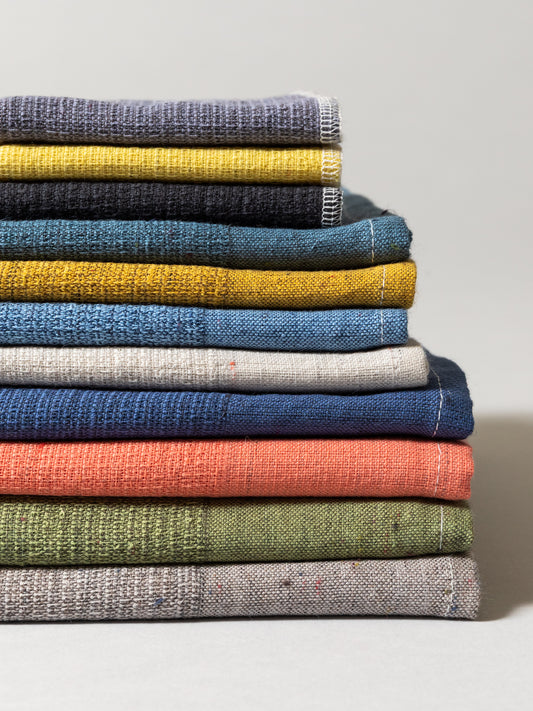
A tenugui is made from flatweave cotton dyed or printed with bright, colorful patterns. The long sides have a woven selvedge, so they need no stitching. The short sides are left unfinished, which allows the thin fabric to dry quickly. The absorbent fabric makes it useful for personal hygiene or daily tasks around the house. In fact, tenugui were originally used in Japan to dry hands and wipe sweat; today they are used for everything from wiping dishes to wrapping gifts.

Early tenugui date back to at least the Heian period (794 to 1185), when they were woven from silk or hemp and used by Shinto and Buddhist priests to wipe their hands during rituals. Since cloth was an expensive luxury, these textiles were not commonly used outside of the nobility or the priesthood. By the Edo period (1603 to 1868), tenugui had become a household staple in Japanese homes due to the widespread domestic cultivation of cotton, which made fabric more affordable and accessible to all.
Tenugui are traditionally used as a sling to wrap and carry everyday goods and to wrap small items such as bottles and lunch boxes. They are also used as hand towels or worn as headbands for gardening or exercise. A Japanese household may have a few tenugui in rotation in the kitchen and their living spaces, or even hanging around the house as makeshift curtains or decorative textiles. The rectangular, slim cotton also folds easily into storage or tucks into a bag for on-the-go use. You can find them anywhere in Japan, from specialty stores where attendants can help you find the perfect design to 100-yen shops that stock budget options.
How Traditional Tenugui Are Made
Traditional Japanese tenugui are made using chusen (注染, “pour dyeing”), a hand-dyeing method developed in Japan’s Meiji era (1868 to 1912). A craftsman folds up the cotton into layers and applies a resist paste with stencils to create patterns. They then pour dye so that it sinks through the layers of fabric. Unlike surface printing, the dye reaches the core of the fabric threads, creating vibrant colors and soft textures. The fabric is then rinsed, dried, and opened to reveal soft edges, subtle variations, and bright, saturated colorways. Tokyo brand Kamawanu is one of the best-known makers of chusen-dyed tenugui.
Selecting a Tenugui
Selecting a tenugui comes down to personal taste. Whether you prefer bright patterns or subdued minimalism, there are hundreds of patterns and techniques that let you express your taste and personality.
Dye Techniques
Chusen-dyed tenugui have a soft, almost blurred look. The pattern will also show on both the front and back of the towel. Printed tenugui have sharper patterns that show only on one side. Shibori tenugui are resist-dyed: the cloth is bound, folded or stitched before dyeing, which leaves small variations that make each piece one of a kind. SOU•SOU’s Mameshibori tenugui, for example, was made with shibori masters in Kyoto.

Traditional vs. Modern Patterns
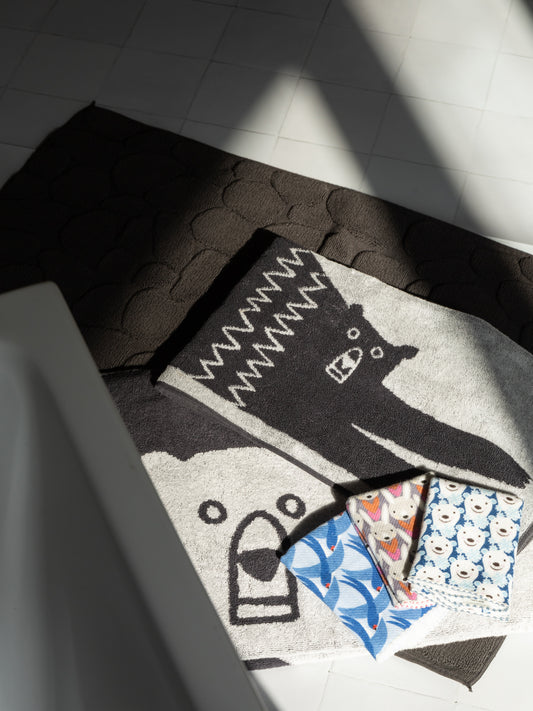
Tenugui patterns run the gamut from traditional (local flowers, waves, or geometric shapes) to modern graphic designs. Kyoto brand SOU•SOU, for example, reworks traditional Japanese motifs in bright, modern colors. Some select a pattern to tell a story or represent a particular season. For those using tenugui as wrapping paper, you could select a print that communicates the achievement or special occasion. In the home, you can swap your tenugui every season for an autumnal or springtime look.

How to Use Tenugui
A tenugui towel can have both practical and beautiful uses. Here are eleven smart and creative ways to incorporate this versatile staple into your everyday life.
A Kitchen Towel
The quick-drying fibers of a tenugui work wonders in the kitchen. Keep one near your sink for wiping surfaces, handling hot cookware, or drying your hands.

A Handkerchief
Use an absorbent tenugui to wipe sweat or moisture on the go. Fold it into eighths and the slim fabric packs easily in a bag or jacket pocket.
A Lunch Box Wrap
A tenugui makes for a colorful and eco-friendly lunch box. To make one, lay your tenugui out flat and place your Tupperware or bento box diagonally on the center. Hold one corner and cover the lunch box on one side. Wrap the opposite corner in the same way. Lift up both ends and tie in the middle. Voilà!
Gift Wrap
Use a similar method to wrap small gifts like books, sweets, and more for a sustainable alternative to gift wrap. With its beautiful patterns, the tenugui becomes a gift in itself to keep.
Wrap a Bottle of Wine
The rectangular shape of a tenugui lends itself perfectly to wrapping a bottle. Present it as a host gift or use it to carry to your next BYOB dinner.
To wrap a bottle:
- Lay the tenugui flat and stand the bottle upright in the center.
- Bring both short ends up the sides of the bottle so they meet at the neck.
- Tuck the side edges in around the bottle as you go, so the glass is covered.
- Twist the two ends together around the neck and tie them in a knot or bow.

A Placemat
Fold a tenugui into halves and lay down a beautiful background for your dinner plate.
A Runner
The long rectangular fabric makes a fabulous runner for decorating and protecting the surface of your dinner table. It also adds some color to a sideboard or a console table.
A Wall Decoration
The bright patterns of tenugui can light up even the simplest spaces. You can use a tapestry rod or frame to hang your printed tenugui, transforming it into a beautiful wall hanging.

A Curtain
Using a cafe tension rod, you can drape two tenugui to make a makeshift curtain. Use them on windows, shelves, and doorways around the house for a rental-friendly half-curtain or door separator.
A Head Covering
Tie a tenugui around your head to keep hair back and wick away sweat when you exercise or clean. Tying it into a makeshift bandana or headscarf also protects you from the sun during outdoor activities. In kendo, a tenugui is also worn under the helmet to absorb sweat.
To tie a simple headband, known in Japan as a hachimaki:
- Fold the tenugui lengthwise into a band about 5 cm (2 in) wide.
- Place the center of the band across your forehead.
- Bring both ends around to the back of your head and tie them in a firm knot.

A Cooling Towel
Wear a tenugui loosely around your neck to absorb perspiration or slip a small cold pack inside on warm days.
Tenugui vs. Furoshiki vs. Tea Towel
A tenugui is often compared with two other cloths: the furoshiki, a square Japanese wrapping cloth, and the Western tea towel. Here is how they differ.
| Tenugui | Furoshiki | Tea towel | |
|---|---|---|---|
| Material | Thin, flat-woven cotton | Cotton, silk or synthetic fabric | Cotton or linen, usually a thicker weave |
| Shape and size | Rectangle, about 90 x 35 cm (35 x 14 in) | Square, from about 45 cm (18 in) to over 100 cm (39 in) per side | Rectangle, usually larger and heavier than a tenugui |
| Edges | Short ends left unhemmed | Hemmed on all sides | Hemmed on all sides |
| Drying | Very fast | Depends on the fabric | Slower, as the thicker cloth holds more water |
| Best for | Drying, wiping, wrapping, headbands and decor | Wrapping and carrying | Drying dishes and hands |
Taking Care of Your Tenugui
To ensure your tenugui lasts for years, wash them by hand in cold water the first few times. This allows the fabric to remove excess dye and prevent bleeding. While their patterns are intricate and carefully crafted, they are ultimately designed to be used in your daily life. The cotton will soften over time with regular use and washing. While handwashing with mild detergent is best, you can also machine-wash them in cold water; just make sure to set them out to air-dry after.
Because the short ends are left unhemmed, expect a little fraying at first. Snip loose threads with scissors rather than pulling them; after a few washes, the ends settle into a soft, natural fringe. Keep your tenugui in a cool, dry place away from sunlight to preserve their vibrant patterns.
Common Questions About Japanese Tenugui Towels
What Is a Tenugui?
A tenugui is a thin Japanese cotton towel, about 90 x 35 cm (35 x 14 in), dyed with a pattern. Its short ends are left unhemmed so the cloth dries quickly, which makes it useful for drying hands, kitchen tasks and wrapping.
What Does Tenugui Mean?
Tenugui (手ぬぐい) combines te, meaning “hand,” and nugui, meaning “wipe,” so the name translates to “hand wipe.” It describes the cloth’s original job of drying hands and wiping away sweat.
How Do I Use a Tenugui?
You can use a tenugui as a kitchen towel, handkerchief, lunch or gift wrap, bottle wrap, placemat, table runner, wall hanging, curtain, headband or cooling neck towel. Because it is thin and dries quickly, it works anywhere you would reach for a small towel or a wrapping cloth.
What Is the Difference Between Tenugui and Furoshiki?
A tenugui is a long, thin cotton towel, about 90 x 35 cm (35 x 14 in), made for drying and everyday use, though it can also wrap small items. A furoshiki is a square cloth, from about 45 cm (18 in) to over 100 cm (39 in) per side, made for wrapping and carrying.
How Do I Care for My Tenugui?
Handwash your tenugui the first few times to ensure the pigments do not bleed. After that, a cold machine wash is fine. Wash with cold water and lay flat or hang to air-dry. Fold them and store them in a cool, dry place away from sunlight.
If you would like to try one at home, rikumo’s tenugui collection brings together designs by SOU•SOU of Kyoto, from bold modern prints to hand-dyed shibori.